Commercial Waste in Bermondsey
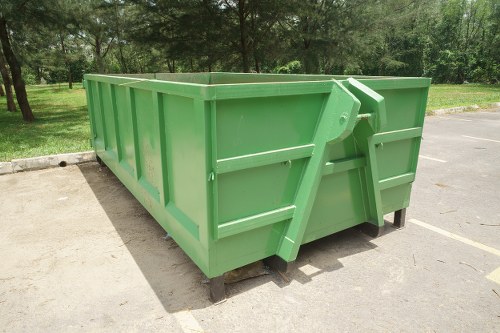
Commercial waste in Bermondsey needs a clear, dependable service that keeps business premises orderly and waste moving away without fuss. We handle mixed trade rubbish, recurring commercial collections and one-off clearances for workplaces that need a practical route for disposal. The focus is straightforward: remove the waste, separate what can be recycled, and leave the space ready for normal use. That approach suits premises with regular output as well as sites facing a sudden build-up after a move, fit-out or stock change.
Our work covers a range of commercial waste streams, from packaging and broken office items to shop fittings, light refurbishment debris and other non-hazardous material generated during day-to-day trading. Where the load is more specific, we can organise the service around the type of waste involved so that handling is sensible from the outset. Good waste removal is not just about lifting items away; it is also about making sure the right material is sorted properly and taken through the right disposal route.
For businesses comparing options, it helps to think about what needs removing, how much space is involved and whether the waste is a single load or part of an ongoing pattern. If you need a service that fits around trading hours, access constraints or mixed waste types, take a look at the sections below and request a quotation when you are ready.
Commercial waste collections for different business settings
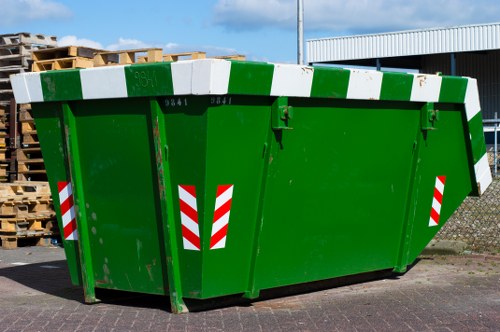
Our commercial waste collections are designed for places that generate regular rubbish but do not always need a full-scale clearance. Offices, retail units, cafés, small studios and shared workspaces each create different waste streams, and those streams often change with staffing, seasonal activity or refurbishment. The service can be shaped around the materials on site so that collections are efficient and appropriate rather than overcomplicated.
In many commercial settings, waste gathers in predictable ways: cardboard beside stockrooms, packaging from deliveries, old display items, broken furniture, mixed bagged waste or surplus equipment that no longer has a use. We can remove these items as a single load or as part of a repeat arrangement. Where useful, our team can also advise on separating recyclables from general waste before collection, keeping the process simple for the people who are responsible for the premises.
Typical waste handled on business premises
The exact contents of a commercial load vary, but they often include cardboard, plastics, bagged waste, wooden fixtures, obsolete office equipment and light non-hazardous refurbishment debris. Some premises produce tidy, uniform waste that can be grouped quickly; others need a more careful approach because different materials have been mixed during a busy period. A sensible collection plan starts with the actual contents rather than assumptions about what a business will throw away.
Office waste removal and workplace clearances

Office waste removal is often about clearing items that no longer support the day-to-day function of the workplace. That might include chairs, desks, filing units, small electronics, boxed archive material, packaging or redundant stockroom contents. The service is useful when a business is reorganising, downsizing, replacing furniture or clearing space after an internal move. It is also helpful where waste has accumulated gradually and now needs a proper reset.
For workplaces, careful handling matters because items may be awkward to move through shared corridors, lifts or reception areas. The removal plan therefore needs to consider access, timing and whether the load includes items that can be separated for recycling. If you are planning a clearance, it is often enough to list the main categories of waste and note any access details so the collection can be arranged around the building rather than the other way around. Clear information at the start helps the job run smoothly.
Practical office clearances are usually better when the waste is grouped in advance, but we do not expect a perfect setup before collection. A rough inventory and a note of what should stay behind are usually sufficient for quotation and planning. When the job involves a changing workspace, it can also help to identify any large items that need extra handling, such as cabinets, meeting tables or old storage units.
Retail, hospitality and trade-premises rubbish
Retail units, hospitality venues and trade premises often produce waste that is both varied and time-sensitive. Shelving, display stands, packaging from deliveries, damaged stock, worn furniture and back-of-house rubbish can all build up at once, especially after a refit or stock rotation. Our commercial waste service is suited to these situations because it can be arranged around mixed loads rather than requiring every item to be treated as the same type of disposal problem.
Premises that serve the public can also need a more discreet, orderly approach. Waste may need to be removed before opening, after closing or during a quieter window, and it often has to be lifted without disrupting staff routines. Where there are bulky items, the team can deal with pieces that are too large for normal bins and arrange them for appropriate disposal. The aim is to leave the business ready to carry on trading without lingering clutter.
- Bagged commercial rubbish and general non-hazardous waste
- Cardboard, packaging and stockroom overflow
- Old shop fittings, light fixtures and display items
- Back-of-house furniture and redundant equipment
Bulky items, furniture and appliance disposal
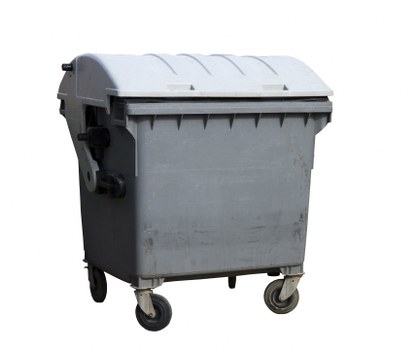
Bulky commercial items can be awkward even when the overall waste volume is modest. Desks, shelving, counters, chairs, cabinets and similar pieces need more than a standard bin lift, especially when they are located upstairs or inside shared premises. Our furniture disposal and appliance removal services support businesses that need these items taken away in a responsible way, without leaving them to block valuable space.
We also handle suitable office and commercial appliances where the item is part of a business clearance rather than a domestic job. That can include equipment that is no longer needed after an upgrade, rebrand or kitchen change. Large items are often best removed as part of a planned collection because this gives you a chance to separate reusable, recyclable and general waste before the load leaves the site. It also reduces the chance of last-minute confusion about what should be taken.
If you are arranging disposal for a mixed load, it may be useful to identify the larger pieces first and then note any smaller items that should travel with them. That gives a clearer picture of vehicle space and handling requirements, especially where the premises have limited access. It can also help if the collection needs to take place while staff continue to work nearby.
Recycling, sorting and responsible disposal
Commercial waste is rarely just one material, so sorting is an important part of the service. Cardboard, metals, plastics, wood, mixed general waste and reusable items all need different treatment where possible. Responsible disposal starts with separating what can be recovered from what must be sent onward as residual waste, and that process is easier when the load is described clearly at the quotation stage.
Businesses often benefit from a clearer understanding of what happens after collection. Some material can be directed toward recycling routes, while other items may need disposal in line with their condition or make-up. We avoid making sweeping claims about every item because the right route depends on the actual waste in front of us. The practical point is simple: a mixed commercial load should be handled in a way that is orderly, lawful and suited to the material type.
For some customers, the main decision is whether to keep waste streams separate before collection or let them be removed together as a mixed load. Separation can be helpful when there is a lot of cardboard or another recoverable material, but it is not always necessary for a small clear-out. The best approach depends on the amount, type and condition of the waste rather than a fixed rule.
Pricing factors and quotation details

The cost of commercial waste removal usually depends on the volume of waste, the kind of material involved, how accessible the items are and whether the job is a one-off or part of a regular arrangement. Heavy, bulky or awkward waste can take longer to move than bagged rubbish, and that practical difference affects how the job is planned. If the load includes several material types, the handling method may also change accordingly.
When requesting a quotation, it is useful to give a clear idea of the waste categories, approximate quantity and whether there are stairs, loading restrictions or timed access requirements. Accurate information helps produce a more useful quotation and reduces the need for avoidable changes on the day. If the load has any unusual features, such as fragile surroundings or items that must remain on site, mention those points too.
Before you book, it can help to think through three things: what is going, how much there is and where it is located. That is usually enough for the service to be set up properly. If you are ready to move ahead, ask for a quotation and include the main waste types so the collection can be matched to the job.
About Bermondsey
Bermondsey sits in the London Borough of Southwark, on the south bank of the River Thames, and has long been shaped by its position between the river and the historic routes that connected the City with the growing docks to the east. The area’s name is often associated with the old monastery of Bermondsey Abbey, founded in the 11th century, although the surviving district today is a mix of older streets, warehouse conversions, post-war housing, riverside development and modern commercial buildings. That layered character is visible in the street pattern as well as in the built environment, where narrow historic lanes give way to broader roads and newer estates. Bermondsey Street is one of the best-known local routes, lined with galleries, independent businesses and restored buildings that reflect the area’s changing role over time. Nearby landmarks include Southwark Park, a large Victorian park opened in the 19th century, which provides open green space in an otherwise heavily built-up part of inner London. To the north and west, the riverfront and the approaches to Tower Bridge reinforce Bermondsey’s connection with central London, while the area’s former dockland and warehousing history remain visible in many of its industrial and commercial structures. The district also has cultural significance through markets, eating places and arts venues that have helped shape its current identity. As a result, Bermondsey is a place where historic fabric, redevelopment and everyday urban life sit close together, giving the neighbourhood a strong sense of continuity even as individual buildings and uses continue to change.
Business waste support for changing premises
Commercial waste needs often change as a business changes. A move to a different floor, a new layout, a fit-out or a stock refresh can all create a temporary surge in rubbish that is not suited to ordinary collections. In those cases, it helps to use a removal service that can handle one-off pressure as well as the more routine output from a working premises. This keeps the site usable while the change is under way.
We can deal with loads that arise from office changes, store updates, stockroom tidying and light commercial clearances. The key is to match the service to the actual work rather than forcing every job into the same shape. Some customers need a single visit for a bulky clearance; others need a repeat pattern that clears waste before it starts to interfere with operations. Both are sensible uses of the same core service.
Useful planning usually comes down to timing, access and a rough picture of the waste. If the items are spread across several rooms or floors, it is worth noting that at the enquiry stage so the collection can be organised efficiently. That does not mean the job must be perfectly prepared; it simply means the service can be aligned with the site in a practical way.
Choosing the right waste removal approach
Different commercial loads call for different handling methods, so choosing the right approach matters. A bagged load of routine rubbish is not the same as a set of heavy cabinets or a stack of mixed trade items, and a good service should take that into account. Where possible, the aim is to make the waste route as simple as the material allows without overlooking recycling or safe handling.
To help decide what you need, it can be useful to compare a few basic options. A recurring collection works well where waste builds up steadily, while a one-off clearance is often better for a move, refit or stock change. A mixed-load removal can suit sites with many different items, but a more sorted load may be preferable where recyclable material is substantial. The best choice depends on the job, not on a one-size-fits-all rule.
At the enquiry stage, keeping the description clear is usually enough. If you know whether the waste is general, bulky, recyclable or a mixture, that gives a sound base for planning. If you are unsure how to categorise something, describe it plainly and let the service be matched to the material rather than guessing.
How to prepare a commercial waste quotation
A quotation is most useful when it reflects the real job, so a little preparation goes a long way. A short description of the site, the type of waste and any access restrictions gives the clearest starting point. If the waste is spread over more than one room or level, that is worth mentioning too. The aim is to make the quotation useful, not to produce a lengthy report.
There are a few details that are especially helpful. First, note whether the items are already grouped together or still mixed around the premises. Second, identify any heavy or awkward pieces that may need extra handling. Third, mention whether the load is a single visit or part of a continuing arrangement. These points make it easier to plan the work and avoid unnecessary delay. One clear description is usually better than several incomplete ones.
Once the scope is defined, the next step is simply to ask for a quotation and choose a convenient time for the collection. If the waste is not urgent, a planned slot can be enough; if the space is needed quickly, say so at the outset. The more accurately the job is described, the easier it is to line up the right service.
Regular collections and one-off clearances
Some businesses need waste support on a regular basis, while others only require it when a specific project creates extra rubbish. Regular collections suit premises that generate predictable output and want the waste removed before it becomes a nuisance. One-off clearances are more suitable for short-term changes such as office moves, store closures, refits or stockroom reorganisations. Both approaches are part of the same commercial waste service, but they serve different operational needs.
Where a recurring arrangement is the best fit, the emphasis is usually on consistency and simple process. Where the need is a single clearance, the emphasis shifts to efficient removal of a defined load. In either case, the business benefits from a service that can treat the waste in a practical, organised way. That is especially important when waste is occupying working space or affecting how easily staff can move around the premises.
If you would like to move forward, send the main details and request a quotation. A short description of the waste, the location within the premises and any access notes is enough to begin. From there, the collection can be matched to the job rather than treated as a generic pick-up.