Health and Safety Policy — Commercial Waste Bermondsey Operations
 Purpose: This Health and Safety policy sets out the commitment of our rubbish company service area to provide a safe working environment for staff, contractors and the public. It outlines responsibilities, operational controls and monitoring arrangements that govern how commercial waste and rubbish collection Bermondsey activities are carried out. The policy supports compliance with relevant statutory obligations and best practice in waste management.
Scope: The policy covers all activities associated with commercial refuse collection, waste transfer, on-site handling and vehicle operations within the designated service area. It applies to employees, subcontractors, visitors and any third parties engaged in work for the business. Roles and responsibilities are defined to ensure duties for health and safety are clearly allocated and understood.
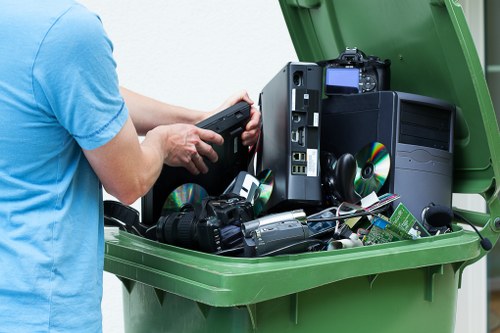 Responsibilities: Management is responsible for setting the health and safety standards and ensuring they are implemented through adequate resources, training and supervision. Supervisors and team leaders must conduct daily risk checks and ensure workers follow safe systems of work. All employees have a responsibility to take reasonable care for their own safety and for that of others affected by their acts or omissions in the workplace.
Risk Assessment and Control Measures
Risks are identified and assessed on a routine and systematic basis. Assessments cover manual handling of containers, sharps and hazardous waste segregation, vehicle loading/unloading, interaction with the public and operatives, traffic management, lone working and exposure to hazardous substances. Control measures include engineering controls, administrative controls and personal protective equipment (PPE).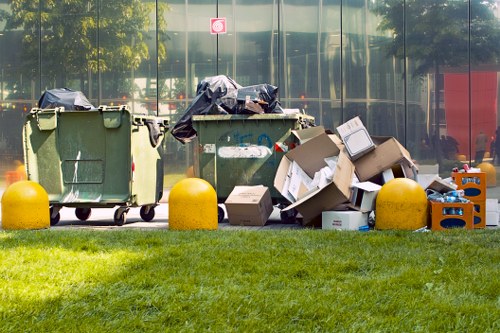 Training and Competence: All operatives receive induction training, task-specific instruction and refresher sessions at intervals suited to the risks. Training includes safe lifting techniques, use of PPE, spill response, incident reporting and safe use of compaction equipment. Competence is verified through observation and records. The company maintains training logs and ensures qualification requirements for drivers and equipment operators are up to date.
Safe working procedures are established for routine and non-routine tasks. These include permit-to-work arrangements where appropriate, isolation of energy sources on equipment, and procedures for handling hazardous items such as asbestos-contaminated materials, chemical wastes and medical refuse. The aim is to reduce incidents, injuries and environmental harm through proactive controls.
Operational Safety and Equipment
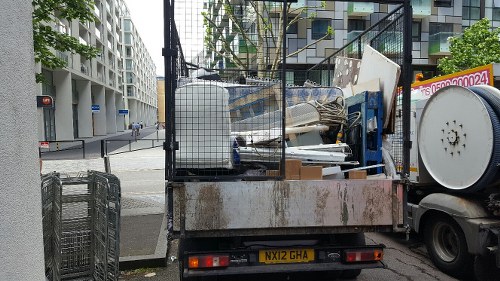
Vehicles and plant used in the collection and transport of commercial waste are subject to pre-use checks, scheduled maintenance and statutory inspections. Operators must ensure that load security, weight limits and segregation practices are maintained to prevent spillage and accidental exposure. Mechanical aids are provided to reduce manual handling where practicable. Personal Protective Equipment (PPE): Appropriate PPE is provided and must be worn where required. This may include high-visibility clothing, gloves, cut-resistant protection, eye protection and respiratory protection for specific tasks. The company enforces PPE use and provides guidance on correct selection, use and maintenance.
 Incident Reporting and Investigation: All incidents, near misses and unsafe conditions are to be reported immediately through the established reporting channels. Investigations are carried out to identify root causes, implement corrective actions and prevent recurrence. Records of incidents and corrective measures are kept and reviewed as part of continuous improvement.
Emergency Preparedness: Emergency arrangements include procedures for dealing with spills, fires, medical emergencies and vehicle collisions. Responsible persons are appointed for emergency coordination and first aid provision. Regular drills and reviews ensure readiness and effectiveness of the plans across the rubbish service area.
Monitoring, audit and review processes are in place to assess performance and compliance. Key performance indicators include incident frequency, training completion rates and audit findings. Management reviews this policy annually or following significant changes to operations or legislation, to ensure it remains appropriate and effective.
Subcontractors and Suppliers: Subcontractors engaged in waste collection or handling are required to comply with this policy and demonstrate suitable health and safety arrangements. Contract terms include obligations to operate safely, report incidents and cooperate with audits. The selection process for suppliers considers health and safety performance as a core criterion.
Employee Involvement: The company encourages active participation of staff in safety matters, including hazard identification, risk assessment and the development of safer working methods. Consultative arrangements provide a mechanism for raising concerns and sharing improvements.
Record keeping is maintained to demonstrate compliance: risk assessments, training records, equipment inspections, incident reports and statutory documents are stored in accordance with retention requirements. Documentation supports transparency, accountability and continuous risk reduction across waste management Bermondsey operations.
Policy Commitment: Management and employees are committed to implementing this Health and Safety policy fully. The organisation will allocate sufficient resources, review performance regularly and foster a culture where safety is integral to every activity in the commercial refuse and rubbish collection operation. This policy is endorsed at senior level and is communicated to all relevant parties to ensure understanding and compliance.
Key Controls Summary:
- Regular risk assessments and documented controls
- Competence-based training and supervision
- PPE provision and enforcement
- Vehicle and plant maintenance regimes
- Incident reporting, investigation and corrective action
Review and Amendment: This policy will be reviewed periodically and updated to reflect operational changes, regulatory developments and lessons learned from incidents. All stakeholders in the rubbish company service area are expected to abide by the policy and contribute to continuous improvement in health and safety performance.
