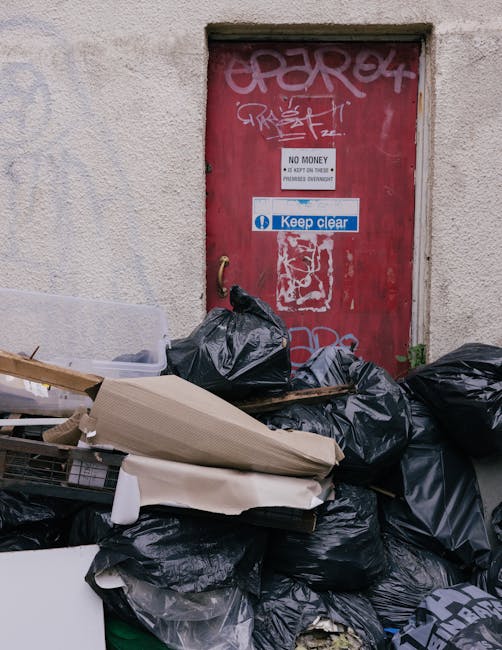
Rubbish removal Bermondsey Street flats made simple
If you live in a Bermondsey Street flat, you already know the awkward bit is rarely the rubbish itself. It is the stairs, the hallway, the narrow turn by the banister, the neighbour coming through at the wrong moment, and the nagging feeling that you are one wrong move away from scratching a wall. That is why Rubbish removal Bermondsey Street flats made simple is such a useful idea: it is not just about getting waste out, but getting it out without stress, delay, or needless chaos.
In this guide, we will walk through how flat rubbish removal works, what makes Bermondsey Street a little more fiddly than a standard collection, and how to choose the simplest route for your situation. You will also find a practical checklist, a comparison table, and a few down-to-earth tips that save time. Truth be told, a smooth clearance usually comes down to planning better than most people expect.
Table of Contents
- Why rubbish removal in Bermondsey Street flats matters
- How the process works
- Key benefits and practical advantages
- Who this is for and when it makes sense
- Step-by-step guidance
- Expert tips for better results
- Common mistakes to avoid
- Tools, resources and recommendations
- Law, compliance, standards, or best practice
- Options, methods, or comparison table
- Case study or real-world example
- Practical checklist
- Conclusion
- Frequently asked questions
Why rubbish removal in Bermondsey Street flats matters
Flat living changes the whole rubbish-removal game. In a house, you might wheel a bag out the back or stack unwanted items by the drive. In a Bermondsey Street flat, that often is not an option. Space is tighter, access is shared, and there is usually less tolerance for bins overflowing in communal areas. So the real issue is not just disposal; it is keeping the building tidy, safe, and neighbour-friendly.
There is also the question of time. Many residents are balancing work, commuting, family life, or a moving deadline. Nobody wants a weekend swallowed up by dragging a mattress down three flights of stairs while trying to avoid the lift doors. A good rubbish removal plan removes that friction. It gives you back a clean flat and a clear head.
For landlords, letting agents, and tenants alike, prompt clearance also helps prevent complaints, pests, odours, and blocked access routes. A single pile of broken furniture can feel harmless for a day or two. Leave it longer and it becomes a problem everybody notices.
Practical takeaway: in flats, simple rubbish removal is really about three things - access, speed, and responsible disposal. If one of those is missing, the job gets harder fast.
How rubbish removal in Bermondsey Street flats made simple works
The simplest flat clearance process tends to follow the same pattern, whether you are clearing one bulky item or a full flat. The difference is in the detail. A reliable approach starts with a quick assessment of what needs removing, how much there is, and whether anything needs special handling. That might include heavy furniture, electrical items, or mixed household waste.
From there, the job is usually planned around access. That means checking whether items can be carried down stairs, whether there is a lift, whether the doorway is narrow, and whether parking or stopping near the building is possible. On Bermondsey Street, that last point matters more than people think. A smooth collection can fall apart if the vehicle cannot get close enough.
Once the removal is underway, items are sorted for reuse, recycling, or disposal. Good practice is not just to throw everything into one load and hope for the best. Mixed waste should be handled sensibly, especially where furniture, appliances, and bagged rubbish are involved. If you are dealing with a broader clear-out, the related flat clearance service page may also be useful to review alongside your planning.
For certain items, specialist handling matters. White goods may need separate collection, and broken sofas or beds may be best dealt with through dedicated services such as mattress and sofa disposal or fridge and appliance removal. That keeps the process simpler and avoids last-minute surprises. Nobody enjoys discovering a freezer has to be treated differently on the day. Bit of a headache, that.
Key benefits and practical advantages
There are plenty of reasons people choose a professional or well-organised rubbish removal service for Bermondsey Street flats. Some are obvious, some are less obvious until you have tried to do it the hard way.
- Less lifting and strain: bulky items are the main problem, not bags of light waste. Moving them through a flat is where the hassle starts.
- Cleaner communal areas: the quicker rubbish is removed, the less chance there is of clutter in hallways, lifts, or entrances.
- Better timing: a planned collection can often happen in a tighter window than a do-it-yourself approach.
- More suitable for awkward items: wardrobes, broken desks, mattresses, and appliances are much easier when handled properly.
- Reduced disposal risk: mixed waste, electrical items, and anything potentially hazardous need proper sorting.
- Less disruption for neighbours: no repeated trips up and down stairs, no lingering mess, no long queue of items in the corridor.
One of the hidden benefits is mental relief. It sounds small, but once the clutter goes, the flat feels different. You notice the extra light, the floor space, the air movement. It is one of those oddly satisfying jobs where the visual result arrives almost instantly.
If you are comparing wider removal options, waste removal is the broader category, while more specific services like furniture clearance or home clearance may suit fuller household jobs.
Who this is for and when it makes sense
This kind of removal makes sense for a surprisingly wide range of people. It is not only for tenants moving out. In fact, the most common situations are often more ordinary than that.
- Tenants: clearing leftovers before checkout, especially when time is tight.
- Landlords: removing abandoned items or post-tenancy clutter between lets.
- Homeowners: handling a room refresh, decluttering project, or minor renovation clear-up.
- Letting agents: getting a flat ready for viewing or re-marketing.
- Property managers: dealing with communal or urgent clearances in a building.
- Busy households: when the spare room has quietly become a storage zone. It happens.
It also makes sense when you need a one-off job done quickly. Maybe you have a sofa to remove before a delivery arrives. Maybe the old desk has to go before a home office upgrade. Maybe you are staring at a pile of packaging, broken shelving, and a fridge that has finally given up. These are the moments when simple rubbish removal earns its keep.
For a more tailored clearance that includes multiple rooms or large item removal, you might also look at house clearance or loft clearance depending on the scale of the job.
Step-by-step guidance
If you want the job to feel simple, the trick is to break it down. Flat clearances become much easier once the work is organised into small decisions.
- Sort what is going. Separate general rubbish, furniture, electricals, and anything that might need special handling.
- Measure bulky items if needed. A quick check on width, height, and stair turns can save a lot of stress later.
- Clear the access route. Move smaller items, shoes, bikes, or storage boxes out of the way so the removal path is open.
- Identify anything sensitive. Personal papers, devices, or items you may want to keep should be set aside before the team arrives.
- Check building access details. Lift use, parking restrictions, buzz codes, and stair access all matter.
- Confirm the item list. Be honest about what is included. A good job depends on the actual load, not the optimistic version of it.
- Arrange the collection. Use a booking route that suits your timetable, whether that is a direct enquiry or an online booking through book online.
- Keep hazardous items separate. Paint, chemicals, batteries, and similar items usually need different handling.
- Final sweep. Once the load is gone, check corners, cupboards, and under beds. You will nearly always find one more cable.
Small note, but an important one: if you are clearing a flat after building work or a refurbishment, a specific approach may suit better. In that case, builders waste clearance is worth considering rather than mixing renovation debris into a standard household load.
Expert tips for better results
In our experience, the easiest flat removals are the ones where somebody took ten minutes to prepare properly. That is usually the difference between a calm job and a mildly chaotic one.
Keep the "maybe" items out of the pile
If you are unsure about an item, set it aside. Half-clearances often stall because people spend too long debating a lamp, a chair, or a box of old cables. Decide beforehand, not during collection time.
Use labels if you have multiple rooms
When a flat has been lived in for years, everything starts to blur together. A few labels like "keep", "remove", and "special handling" can make the whole process feel surprisingly orderly. It is a simple trick, but it works.
Think about the building, not just the flat
People often focus on the room they are clearing and forget the route out. Shared halls, stairwells, and entryways deserve equal attention. One scratched wall can create more hassle than the item itself.
Check disposal categories early
Some items are straightforward. Others are not. A fridge, for example, is not just a bulky item; it is often handled separately because of its components. Likewise, a sofa or mattress may need its own route. That is why dedicated options like mattress and sofa disposal and fridge and appliance removal are worth knowing about.
Keep paperwork and valuables away from the work area
This sounds obvious, but in a flat it is easy for documents, keys, and chargers to get tucked into the nearest box and forgotten. Put them somewhere safe before the day starts.
Common mistakes to avoid
Most rubbish removal problems in flats are preventable. That is the good news. The bad news is that they are also very easy to make if you rush.
- Underestimating the volume: a pile that looks "manageable" can become three loads once sorted.
- Forgetting access limits: a bulky wardrobe or sofa may not fit the route out without planning.
- Mixing unsuitable waste: hazardous materials should never be dumped into general items and left to chance.
- Leaving everything to the last minute: this is the classic one, and yes, it happens all the time.
- Not checking building rules: some blocks have quiet hours, lift rules, or access restrictions that affect timing.
- Ignoring hidden spaces: under-bed storage, balcony corners, and cupboard tops are easy to forget.
A slightly less obvious mistake is choosing the wrong service for the job. A full flat with furniture, bags, and appliances may need a more comprehensive approach than a simple curbside pickup. Matching the service to the load is what keeps things efficient.
If you are unsure what your waste contains, the site guidance on what can go in a skip can also help you think through what is generally suitable for mixed loads, even if you are not actually hiring a skip.
Tools, resources and recommendations
You do not need a complicated toolkit, but a few basic items make flat rubbish removal far easier.
- Heavy-duty bags: useful for smaller mixed waste and loose items.
- Labels or tape: helpful for marking keep, remove, and recycle piles.
- Measuring tape: handy for checking whether large furniture will fit through doorways or turns.
- Gloves: a sensible choice for handling dusty or sharp items.
- Trolley or sack truck: useful if permitted and safe to use in the building.
- Phone camera: surprisingly useful for photographing the job before the collection, especially if you are comparing quotes.
On the service side, a few pages are particularly useful when planning a removal or understanding how things are handled. Start with pricing and quotes if you want a better idea of how jobs are assessed, and look at recycling and sustainability if you want to understand what happens to the waste afterwards.
If the rubbish includes old office furniture, filing units, or work-related clutter, office clearance may be more appropriate. And for larger living spaces or a full property clear-out, home clearance remains a practical option.
Law, compliance, standards, or best practice
Rubbish removal is not just a matter of convenience. In the UK, waste should be handled responsibly, and you should be careful about who takes it away. That means asking sensible questions and checking that waste is collected, transported, and disposed of properly. You do not need to become a compliance expert, but you do need to avoid handing rubbish to someone who is unlikely to deal with it correctly.
For flats, best practice usually includes keeping communal areas clear, avoiding obstruction of exits, and separating anything that might pose a health or safety issue. If a building has management rules, those should be respected too. In shared London properties, that is not optional in practice, even if nobody has written it down in bold letters on the wall.
Where items involve personal data, confidential papers, or sensitive records, a dedicated route is safer. That is where confidential shredding can be relevant. For items that may be dangerous or require special handling, such as chemicals or other restricted materials, hazardous waste disposal is the appropriate reference point.
It is also sensible to think about safety, insurance, and operator standards before booking. Pages such as insurance and safety and health and safety policy are useful indicators of how seriously a provider treats the job. That kind of reassurance matters, especially in tight stairwells and shared buildings.
Options, methods, or comparison table
There is more than one way to clear rubbish from a flat. The right choice depends on the amount of waste, the type of items involved, and how quickly you need the space back.
| Method | Best for | Pros | Watch-outs |
|---|---|---|---|
| Manual self-clearance | Very small amounts of light waste | Low direct cost, full control | Time-consuming, heavy lifting, access issues, disposal responsibility |
| Skip-based clearance | Medium to larger loads where space allows | Good for mixed waste, flexible for ongoing jobs | May be awkward in flat settings, permits and placement can matter |
| Professional flat clearance | Bulky furniture, mixed waste, time-sensitive jobs | Fast, less physical effort, better for stairs and access challenges | Needs clear item listing and proper scheduling |
For many Bermondsey Street flats, the professional route is the most practical. That is especially true if access is awkward or the items are heavy. A skip can work well in some situations, but not every building is suited to that setup. If you want to compare the practical side of skip waste, the guide on what can go in a skip is a sensible companion read.
Case study or real-world example
Here is a realistic example. A couple in a second-floor Bermondsey Street flat decided to clear out before redecorating. They had an old sofa, a broken shelving unit, four bin bags of general clutter, a small appliance, and a stack of packing material from a recent delivery. Nothing dramatic, just the usual pile that builds up when "we'll sort it next weekend" becomes a habit.
The first attempt was to break everything down and carry it out themselves. After five minutes, they realised the sofa was the real problem. It would not turn cleanly at the stair bend, and the hallway walls were too close for comfort. So they paused, measured the route, and changed approach. That saved them from forcing it and risking damage.
Once they listed the items clearly, the clearance became much easier to organise. The sofa and appliance were treated as separate items, the bags were grouped, and the route out of the building was kept clear. The result was simple: no dragging, no arguing with the stairs, and no last-minute panic about where to put everything. Sometimes the smart move is just admitting the flat has the last word.
That kind of job is exactly where a structured flat clearance approach works better than trying to solve it in bits and pieces.
Practical checklist
Use this checklist before collection day. It keeps the job tidy and avoids those annoying little oversights that slow everything down.
- Separate keep, remove, recycle, and special-handling items.
- Check whether any bulky pieces need measuring.
- Clear the hallway and any route to the exit.
- Confirm lift access, entry codes, and parking details.
- Move valuables, documents, and chargers out of the work area.
- Identify fridges, sofas, mattresses, and appliances early.
- Set aside anything potentially hazardous.
- Photograph the load if you want a reference record.
- Make sure bins and communal spaces are left clean afterwards.
- Review relevant service pages if your load is specialised, such as furniture disposal or furniture clearance.
Conclusion
Rubbish removal Bermondsey Street flats made simple is really about combining good planning with the right type of removal. When you understand the access, separate the items properly, and choose a service that fits the job, the whole process becomes much calmer. Not perfect, maybe. But calmer, and that counts for a lot in a busy London flat.
The main thing is not to overcomplicate it. Sort the waste, think through the building access, check whether any bulky or specialist items need separate handling, and keep the job moving. A little preparation goes a long way, especially when stairs, shared spaces, and tight timing are part of the picture.
If you are ready to take the next step, review the most relevant service details, compare the options that suit your flat, and choose the approach that feels easiest to live with. Clean space has a way of making everything feel lighter. It really does.
Get a free quote today and see how much you can save.
Frequently Asked Questions
What is the easiest way to remove rubbish from a Bermondsey Street flat?
The easiest method is usually a planned flat clearance or waste removal service that handles access, lifting, and disposal for you. This avoids repeated trips down stairs and reduces disruption in shared areas.
Can bulky furniture be removed from a flat without damaging the walls?
Yes, but only if the route is checked properly first. Measuring doorways and stair turns helps a lot. For items like sofas or wardrobes, it is worth using a service that regularly handles bulky furniture in flats.
Do I need to sort rubbish before collection?
It helps, and in many cases it is the best way to save time. Separate general rubbish, furniture, appliances, and anything that needs special handling. The clearer the load, the smoother the collection.
What happens to the waste after it is collected?
That depends on the type of waste, but responsible services will sort items for reuse, recycling, or disposal where appropriate. If sustainability matters to you, the recycling and sustainability information is a useful place to start.
Are fridges and other appliances handled differently?
Usually, yes. Appliances often need separate collection or handling because of their components. A dedicated fridge and appliance removal service is often the cleanest solution.
What if I only have one sofa or mattress to remove?
That is still worth booking as a dedicated item removal rather than trying to force it into a general rubbish pile. Sofas and mattresses are awkward, and they are often easier to deal with through specialist disposal options.
How do I know if my flat is suitable for a skip?
It depends on access, space, and building rules. Many flats are not ideal for skips because of street placement, permits, or limited access. If you are weighing it up, the guide on what can go in a skip can help you decide whether that route fits your load.
Is professional rubbish removal worth it for a small flat?
Often, yes. Even small flats can have awkward access, and one bulky item can create more work than expected. If you value speed and a low-stress day, professional removal is usually worth considering.
What should I do with old paperwork or personal documents?
Keep them separate from general waste and use a secure disposal route if needed. If you are dealing with sensitive paperwork, confidential shredding is the safer option.
Can rubbish removal help if I am moving out of a Bermondsey Street flat?
Absolutely. Move-out clearances are one of the most common reasons people book. It helps avoid last-minute clutter, makes the flat presentable, and reduces stress on moving day.
What should I check before booking a service?
Check access, item types, timing, and whether any special waste is included. It is also sensible to review pricing and quotes, plus practical details like insurance and safety, so you know what to expect.
Is this type of removal useful for landlords and letting agents?
Very much so. When a flat needs to be turned around quickly between tenancies, a fast and orderly clearance can save time and reduce complaints. It is one of those jobs that pays off immediately when done well.